Gama-application

Polyurea vs. Cementitious Coatings: A Comparison of Strength and Versatility

In the realm of coatings, both polyurea and cementitious materials provide solutions, for shielding structures from physical harm. Each material possesses characteristics that render it appropriate for purposes. Having a grasp of the disparities between polyurea and cementitious coatings can assist professionals in selecting the option for their requirements. This piece delves into the strengths and attributes of each material offering insights into when to opt for polyurea versus when cementitious coatings might be more favorable.

Unraveling Polyurea

Polyurea is an elastomer formed through a chemical reaction between an isocyanate component and an amine resin. This reaction yields a polymer that solidifies rapidly creating a pliable coating. The quick curing process enables application making polyurea well suited for projects with time constraints. Once fully cured polyurea forms a watertight shield that shields surfaces from environmental pressures.

The flexibility of polyurea stands out as one of its attributes. Unlike coatings, polyurea can. Compress without fracturing making it appropriate for surfaces subject to movement or changes in size. This adaptability proves beneficial in settings to temperature fluctuations or mechanical strains, such as rooftops, bridges or industrial flooring.

Moreover aside from its flexibility polyurea boasts resistance, against water infiltration, chemicals and abrasive forces. These characteristics make it a popular option, for situations where the coating must endure conditions like in settings, wastewater treatment facilities or heavy duty industrial environments.

Understanding Cement Based Coatings


Cement based coatings are what their name indicates – coatings created from a blend of cement, water and different additives. They are applied as a slurry that solidifies into a lasting layer. For centuries cement based materials have been utilized to safeguard and reinforce structures and continue to be favored for uses today.

Cement based coatings are recognized for their durability and stiffness. Once they set they create a watertight layer that offers protection against physical impacts and environmental elements. This property makes them well suited for surfaces requiring resistance to wear and tear, such as walls, floors and foundations.

The inherent robustness of cement based coatings also grants them fire and heat resistance capabilities. This quality deems them suitable for situations where fire resilience’s crucially important – like in tunnels or industrial sites.

Comparison Between Polyurea and Cement Based Coatings
When deciding between polyurea and cement based coatings various factors need to be taken into account such, as flexibility curing time, environmental endurance and the specific conditions of the application site.
Polyurea is often preferred for projects that require curing and flexibility as it can adapt rapidly to conditions. Its ability to endure environments and resist chemicals and water makes it an excellent choice, for marine protective applications.

On the hand cementitious coatings are best suited for situations that demand hardness and lasting durability. Their slower curing process allows for application, which’s crucial for achieving a smooth and uniform coating. The strength of coatings lies in their capacity to create a resilient surface that can withstand physical impacts and environmental stressors making them ideal for safeguarding concrete structures, foundations and surfaces subject to heavy use or loads.

Although both materials offer protection, their distinct characteristics make them suitable for applications. Polyurea excels, in speed and flexibility ensuring reliability in demanding environments where the coating must endure levels of stress. Cementitious coatings stand out for their toughness and longevity delivering a finish that performs well in environments to wear and exposure.

Deciding on the Appropriate Coating

The choice of coating material depends on the requirements of each project.
If you need a coating that can quickly be applied and adapt to surface movement polyurea is your bet. This is especially important, in industries like construction or infrastructure where surfaces undergo changes and downtime should be minimized.

On the hand if you require a coating with a durable impermeable finish cementitious coatings might be more suitable. This is particularly crucial in settings where the coating needs to endure use, impacts or fire exposure such as floors or tunnels.

Polyurea and cementitious coatings protect various surfaces. By understanding their qualities, professionals can select the material for each job to ensure optimal performance under specific conditions.

In conclusion both polyurea and cementitious coatings are choices for coatings with their own strengths depending on the application. Polyureas quick curing time, flexibility and resilience in environments make it perfect, for marine uses.
The strength of coatings lies in their durability, hardness and ability to create a impermeable finish making them a reliable option, for concrete structures, foundations and surfaces that require lasting protection against physical wear and environmental elements.

Professionals can enhance their decision making by understanding the distinctions between these materials. This knowledge enables them to achieve outcomes and ensure safeguarding for the surfaces they protect. Whether prioritizing speed and adaptability with polyurea or prioritizing toughness and resilience with coatings choosing the appropriate coating guarantees project success by delivering the protection and performance, in challenging conditions.
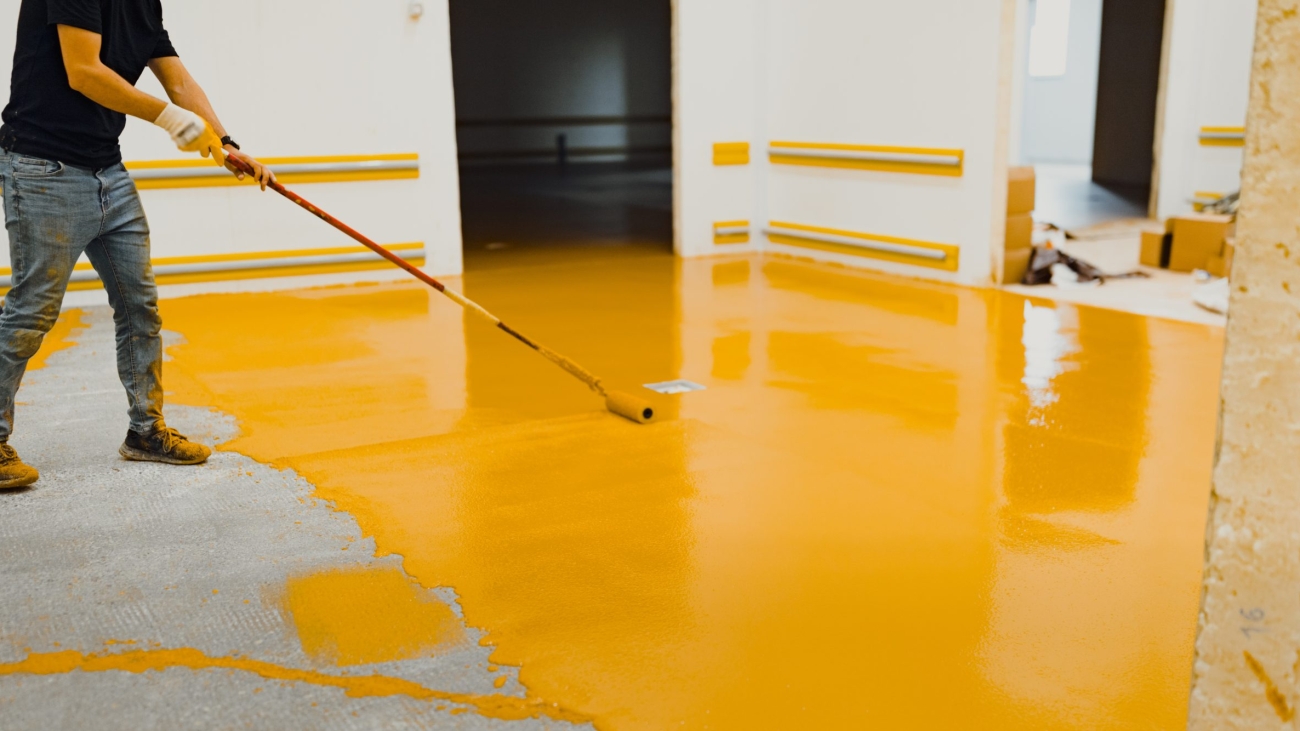
Epoxy,Flooring,Applicator,Performs,Painting,Works,With,Polyurethane,Epoxy,Mortar

Polyurea vs. Epoxy: Choosing the Right Coating for Your Needs

Regarding coatings, polyurea and epoxy (polyurea vs epoxy) stand out as two commonly used options. While both materials offer protection for surfaces, they have properties and applications. Understanding the variances between polyurea and epoxy can assist you in choosing the coating for your requirements. This piece delves into the strengths and limitations of each, shedding light on when polyurea might be preferred over epoxy and vice versa.

Polyurea Fundamentals

An isocyanate component and an amine resin react to form polyurea, a type of elastomer. This reaction occurs swiftly, resulting in a polymer that cures within seconds. The rapid reaction time is an advantage of polyurea, allowing for application and minimal downtime. Once applied, polyurea creates a coating that can endure environmental and mechanical pressures.

The flexibility of polyurea makes it well-suited for surfaces to move, expansion or contract. This includes applications such as roofing where fluctuations in temperature can lead to material shifts or in environments where equipment and surfaces may experience vibrations or flexing. The quick curing process of polyurea also makes it a practical option for projects, with timelines since the coated surface can be swiftly put back into use after application.
Polyurea offers a benefit, in its ability to withstand water, chemicals and abrasion making it ideal for surfaces facing conditions like those found in marine settings, wastewater treatment facilities and heavy machinery environments.

Understanding Epoxy

Epoxy is a thermosetting polymer that results from the chemical reaction between epoxy resin and an amine, a hardening agent. Unlike polyurea, epoxy requires hours to cure, allowing more time for application. Epoxy coatings are recognized for their toughness and strong adherence, delivering a finish that resists wear and impact.

The slower epoxy curing process can be advantageous in scenarios requiring precision and consistency. The extended application period permits coating application for coverage. Epoxy is commonly utilized in locations demanding durability and chemical resistance such as garage floors, industrial facilities and commercial areas.

Due to its firmness compared to polyureas flexibility epoxy may not be suitable for surfaces to movement or shifting. Nonetheless this stiffness grants resilience against abrasion and chemical exposure – making epoxy the option, for areas subjected to heavy usage or harsh substances.
When deciding between polyurea and epoxy various factors come into play such, as curing time, flexibility, durability and the specific conditions of the application environment. Polyurea is preferred for projects that require curing and flexibility. It can withstand conditions. Is resistant to chemicals and water making it ideal for industrial and marine protective applications.

On the hand epoxy is best suited for applications that demand a durable finish. Its slower curing time allows for application resulting in a coating. Epoxy excels in hardness, impact resistance and abrasion resistance making it suitable for high traffic areas and surfaces subjected to use.

While both materials offer protection, their unique characteristics make them suitable for applications. Polyurea’s strengths lie in speed and adaptability, making it reliable in demanding environments where performance under pressure is crucial. Epoxy stands out for its toughness and durability, providing a finish that performs well in environments requiring resistance to wear and chemicals.
Selecting the coating material hinges on the project’s requirements. If speed of application and curing are priorities, along with the need for a coating that can move with the surface, polyurea is likely the optimal choice. This holds true in industries like construction or infrastructure, where surfaces may undergo expansion, contraction, or movement and where minimizing downtime is crucial.

On the hand if a project calls for a coating that combines hardness with a smooth finish epoxy might be the more suitable option. This is especially important in settings where the coating must endure foot traffic, impacts or exposure to chemicals – such as floors, commercial areas or garage floors.

Both polyurea and epoxy are materials known for providing protection to various surfaces. Having a grasp of their characteristics empowers professionals to select the right material for each specific application ensuring that the coated surface performs effectively under its expected conditions.

In conclusion

Polyurea and epoxy stand out as protective coatings in todays market. Each offers benefits depending on the intended use. Polyureas quick curing time, flexibility and resistance to environments make it an excellent choice, for marine applications.
Epoxy is valued for its strength due, to its nature and ability to create a smooth and consistent finish making it a popular option for floors and surfaces needing lasting defense against wear and chemicals.

Professionals can achieve outcomes. Ensure prolonged protection for the surfaces they are preserving by recognizing the distinctions between these materials. Whether prioritizing speed and flexibility with polyurea or opting for the resilience and accuracy of epoxy selecting the coating is crucial for achieving success in projects offering the safeguarding and performance, in even the most challenging conditions.

POLYRESYST-polyurea_30-11-21

Polyurea vs. Polyurethane: Understanding the Differences

Polyurea and polyurethane are used coatings, each with distinct properties and uses. While both offer surface protection, their unique traits cater to specific purposes. Knowing the variances between polyurea and polyurethane aids professionals in selecting the material for their requirements. This article delves into the disparities between these coatings, emphasizing their strengths and the scenarios in which they excel.

Overview of Polyurea

Polyurea is an elastomer formed by combining an isocyanate component with an amine-terminated resin through a chemical reaction that results in a polymer curing within seconds. This quick curing process is a defining characteristic of polyurea, enabling it to create a coating that solidifies rapidly and can be utilized shortly after application.

The swift curing nature of polyurea makes it advantageous for projects where downtime must be minimized. It also permits application in conditions such as high humidity or low temperatures, where other coatings may face challenges in proper curing. Additionally, polyurea’s flexibility is a benefit, as it can stretch and contract without fracturing, making it suitable for surfaces that move or expand, like pipelines, roofs, and industrial floors.
Polyurea is well known for its ability to resist water, chemicals, and wear. These characteristics make it a preferred option for use in situations where the coated surface is exposed to challenging conditions, such as in settings, wastewater treatment facilities, and heavy-duty machinery.

Understanding Polyurethane

Similar to polyurea, polyurethane is a polymer commonly used as a coating. It is produced by combining an isocyanate with a polyol. Although the chemical process resembles that of polyurea, the resulting material possesses properties. Polyurethane typically cures at a slower pace than polyurea, which requires hours to achieve maximum strength. This slower curing time can be beneficial when more time is needed to apply the coating evenly and thoroughly.

Polyurethane is recognized for its balance between flexibility and hardness. While it may be less flexible than polyurea it offers resistance to damage and abrasion making it suitable for applications where the coating must endure impacts or wear such as in industrial environments, automotive parts and high traffic flooring.

Apart from its durability aspects polyurethane also stands out for its appeal. It can be tailored to deliver an sleek finish making it a preferred option, for coatings that prioritize aesthetics.
Polyurethanes versatility makes it a great option, for settings such as spaces, showrooms and residential interiors where both functionality and aesthetics are valued.

Comparison Between Polyurea and Polyurethane

When deciding between polyurea and polyurethane (polyurea vs polyurethane) it’s important to consider factors like curing time, flexibility, durability and application environment. Polyureas quick curing process and flexibility make it ideal for projects that require speed and adaptability. Its ability to withstand conditions and resist chemicals and water makes it well suited for purposes in industrial and marine settings.

Polyurethane shines in situations where a blend of durability and visual appeal is needed. Its slower curing time allows for application, while its resistance to abrasion makes it suitable for areas with heavy foot traffic or surfaces that endure use. Polyurethane’s sleek, glossy finish also makes it a popular choice for coatings where both looks and protection matter.

Although both materials offer properties, their unique characteristics make them better suited for specific applications. Polyurea excels in speed and adaptability making it reliable, in demanding environments requiring performance under pressure.
Polyurethane is popular because it can combine toughness and visual appeal, creating an aesthetically pleasing finish for various environments.

Selecting the material for coating depends on the project’s requirements. If quick application and curing are crucial, along with the flexibility to adapt to surface movement, polyurea is likely the choice. This is particularly important in industries such as construction, where surfaces experience expansion, contraction, or movement while minimizing downtime.

On the other hand, if durability and a high-quality appearance are factors for the project, polyurethane might be more suitable. This is especially significant in settings where coatings need to endure impact and abrasion while maintaining an attractive look.

Both polyurea and polyurethane offer surface protection. Understanding their characteristics enables professionals to select the appropriate material for each application, ensuring that coated surfaces perform effectively under specific conditions.

In conclusion, polyurea and polyurethane serve as options, in coatings, each presenting specific benefits based on their intended use.
Polyurea’s quick curing time, flexibility, and ability to withstand conditions make it perfect for challenging marine uses. Polyurethane strikes a balance between hardness, longevity, and visual attractiveness, making it a great option for spaces and high-traffic areas that require both functionality and aesthetics. By grasping the distinctions between these substances, experts can make choices that result in improved outcomes and extended protection.

Spraying Polyurea in Cold Weather: Tips and Considerations

Polyurea is a versatile and durable coating that offers excellent protection against corrosion, abrasion, and chemical exposure. It is commonly used in various industrial applications, including truck bed liners, waterproofing, tank linings, and concrete coatings.

When it comes to applying polyurea, temperature plays a crucial role in achieving a successful and long-lasting coating. Cold weather can present challenges, as it can affect the curing time, adhesion, and overall performance of the polyurea coating. In this blog post, we will discuss some important tips and considerations when spraying polyurea in cold weather.

Understanding the Impact of Cold Weather on Polyurea Coatings

Polyurea coatings are typically applied as a two-component system that reacts and cures quickly when mixed properly. The curing process occurs through a chemical reaction between the two components – the polymeric isocyanate and the amine-based curative. This reaction generates heat, which helps speed up the curing process.

In cold weather, the lower temperatures can significantly slow down the curing process, affecting the coating’s ultimate properties. This can lead to reduced adhesion, insufficient film thickness, and a compromised final finish. Additionally, the moisture content in the air can condense on the substrate, causing adhesion issues and surface defects.

Key Considerations for Spraying Polyurea in Cold Weather

  1. Substrate Preparation: Proper surface preparation is always critical when applying any coating, but it becomes even more important in cold weather conditions. Ensure that the substrate is clean, dry, and free from any contaminants that could compromise adhesion. If necessary, use a solvent-based cleaner or mechanical methods to remove dirt, oil, or rust.
  2. Temperature Control: To achieve optimal results, it’s important to maintain the recommended temperature ranges during the application process. Polyurea coatings generally have minimum and maximum temperature requirements, which may vary depending on the specific product. Make sure to check the manufacturer’s guidelines and follow them accordingly.
  3. Warm the Substrate: If possible, warm up the substrate before applying the polyurea coating. This can be done using a variety of methods, such as using space heaters, heat lamps, or infrared heaters. Keeping the substrate at the recommended temperature range helps to ensure proper adhesion and curing.
  4. Adjust Mixing Ratios: In cold weather conditions, it may be necessary to adjust the mixing ratios of the polyurea components to compensate for slower curing times. Reducing the amount of curative in the mix can help slow down the reaction and allow for better flow and leveling. Consult the product technical data sheet for specific recommendations on adjusting the mixing ratios.
  5. Pre-Heating the Polyurea: Another technique to combat cold weather challenges is pre-heating the polyurea components before mixing. This can be accomplished by storing the materials in a warm area or using specialized heating equipment designed for polyurea applications. Pre-heating ensures that the components are at the optimum temperature for a more consistent and effective reaction.
  6. Use a Heated Spray System: To overcome the challenges of cold weather spraying, consider using a heated spray system. These systems are specifically designed to warm up the polyurea components during application, ensuring that they remain within the recommended temperature range. Heated hoses and spray guns help maintain a consistent viscosity and promote proper curing.
  7. Monitor Humidity Levels: Cold weather is often associated with high humidity levels, which can lead to moisture-related issues during the application. Excessive moisture in the air can cause the coating to bubble, pinhole, or even delaminate. Monitoring and controlling humidity levels using dehumidifiers or air-drying equipment is crucial for a successful polyurea application.
  8. Consider Overall Thickness: Cold weather can affect the rate of curing, and it may take longer for the polyurea coating to achieve full cure. Consequently, it is recommended to apply thinner coats and build up the desired thickness gradually, allowing sufficient time for each coat to cure properly. This prevents issues like incomplete curing and shrinkage.

Conclusion

Spraying polyurea in cold weather requires careful planning, preparation, and thoughtful execution. By considering the impact of temperature, surface preparation, and proper mixing and heating techniques, you can achieve successful results in challenging weather conditions. Always remember to consult the manufacturer’s guidelines and technical data sheets for specific recommendations on spraying polyurea in cold weather.

Gama-application

Advantages Of Elastomeric Coatings In Canada

Elastomeric coatings have gained immense popularity in the Canadian building industry over the years. With its many advantages and benefits, it has become a go-to choice for both residential and commercial properties. In this blog post, we will explore some of the advantages of elastomeric coatings in Canada.

  1. Weather Resistance: Canada experiences extreme weather conditions, with temperatures that can vary from freezing cold to scorching hot. Elastomeric coatings are flexible and can expand or contract with changing temperatures without cracking or peeling. This makes them incredibly durable and long-lasting, protecting the building from the harsh Canadian weather.
  2. Waterproofing: One of the major advantages of elastomeric coatings is their exceptional waterproofing properties. They create a seamless barrier on the surface, preventing moisture from penetrating and causing damage. In a country like Canada, where heavy rainfall and snowmelt are common, elastomeric coatings can provide reliable protection against water intrusion.
  3. Energy Efficiency: Elastomeric coatings have excellent reflective properties, which can significantly reduce the building’s heat absorption. By reflecting a high percentage of the sun’s rays, these coatings help keep the interior cool during hot summer months, reducing the need for excessive air conditioning. This can result in substantial energy savings and lower utility bills.
  4. UV Resistance: Another advantage of elastomeric coatings in Canada is their ability to withstand the damaging effects of ultraviolet (UV) rays. The Canadian climate exposes buildings to prolonged sun exposure, which can cause color fading, chalking, and deterioration of the surface. Elastomeric coatings contain UV-resistant additives that protect the coating and maintain its appearance over time.
  5. Crack Bridging: Elastomeric coatings have excellent elasticity, which allows them to bridge and seal small cracks and gaps on the surface. This can be particularly beneficial in Canada, where freeze-thaw cycles can lead to cracks in concrete or masonry. By sealing these cracks, elastomeric coatings prevent further damage and extend the life of the building.
  6. Aesthetic Appeal: Apart from their functional benefits, elastomeric coatings also offer aesthetic enhancements. They are available in a wide range of colors and finishes, allowing property owners to choose a coating that complements the architectural style and enhances the overall look of the structure. This versatility makes elastomeric coatings a popular choice for both new constructions and renovation projects.
  7. Low Maintenance: Elastomeric coatings require minimal maintenance compared to other traditional coatings. Their durable and long-lasting nature means that they can withstand wear and tear, reducing the need for frequent repairs or recoating. This makes it a cost-effective choice for property owners in Canada, where maintenance costs can be high due to extreme climate conditions.

In conclusion, elastomeric coatings offer numerous advantages in Canada, making them a preferred choice for building exteriors. Their weather resistance, waterproofing properties, energy efficiency, UV resistance, crack bridging ability, aesthetic appeal, and low maintenance needs make them an excellent investment for property owners. By protecting and enhancing the building’s exterior, elastomeric coatings ensure longevity and sustainability in the Canadian climate.

Looking for Polyurea Coatings In Canada?

When it comes to polyurea coatings in Canada, ArmorThane stands out as the industry leader. With their superior quality and unmatched performance, they offer the best polyurea coatings available in the market. In this blog post, we will discuss why ArmorThane is the top choice for polyurea coatings in Canada.

ArmorThane has been in the polyurea coating industry for over 30 years, making them one of the most experienced and knowledgeable companies in Canada. They have perfected their formulations and application techniques over the years, ensuring that their coatings provide exceptional performance and durability.

ArmorThane utilizes state-of-the-art technology and equipment to manufacture their polyurea coatings. Their coatings are formulated using the latest advancements in polyurea chemistry, resulting in coatings that are stronger, more flexible, and more resistant to wear and tear.

ArmorThane’s polyurea coatings are known for their exceptional durability. They create a seamless, impermeable barrier on the surface, protecting it from water, chemicals, abrasion, and impact. Whether it’s for industrial flooring, truck bed liners, or any other application, their coatings can withstand the harshest conditions and provide long-lasting protection.

One of the advantages of ArmorThane’s polyurea coatings is their fast application and cure time. Their coatings can be applied quickly and efficiently, reducing downtime for businesses or homeowners. Additionally, their coatings have a fast cure time, allowing the surface to be ready for use within a short period.

ArmorThane offers a wide range of polyurea coatings suitable for various applications. From protective coatings for floors, walls, and roofs to coatings for truck beds, trailers, and even playgrounds, they have a coating solution for every need. Their coatings can be customized to meet specific requirements, ensuring the best possible results for different surfaces and environments.

ArmorThane is committed to sustainability and offers environmentally friendly polyurea coatings. Their coatings do not contain harmful volatile organic compounds (VOCs) or toxins, making them safe for both the applicators and the environment. This makes ArmorThane’s coatings a responsible choice for eco-conscious customers in Canada.

ArmorThane prides itself on delivering top-notch customer service. They have a team of experts who are readily available to provide guidance, answer questions, and offer support throughout the entire coating process. Their dedication to customer satisfaction ensures a smooth experience from start to finish.

ArmorThane offers the best polyurea coatings in Canada due to their extensive experience, advanced technology, superior durability, fast application and cure time, versatility, environmental friendliness, and exceptional customer service. Whether it’s for industrial, commercial, or residential applications, ArmorThane’s coatings provide unmatched protection and performance. When it comes to polyurea coatings, choosing ArmorThane ensures a high-quality, reliable, and long-lasting solution.

Unlocking the Potential of Polyurea: A Comprehensive Guide for Canadian Coating Industries

Welcome to the world of polyurea, a versatile and high-performance coating revolutionizing various industries across Canada. In this blog post, we will dive deep into the fundamentals of polyurea, its numerous applications, and the advantages it offers to businesses in the Canadian market. So, let’s embark on this informative journey together and discover how polyurea can enhance your projects and operations.

What is Polyurea?

Polyurea is a cutting-edge, two-component, spray-applied elastomer that combines the properties of both plastics and rubbers. It is created by the reaction of an isocyanate component with an amine-terminated resin blend. This innovative material boasts exceptional durability, flexibility, and chemical resistance, making it a popular choice for a wide range of industries, including construction, automotive, marine, and more.

Why Polyurea is Gaining Popularity in Canada

Polyurea’s growing popularity in Canada can be attributed to several factors that set it apart from traditional coating materials. Here are some of the key reasons why Canadian industries are increasingly adopting polyurea:

1. Remarkable Durability and Strength

Polyurea coatings are known for their exceptional durability and ability to withstand extreme wear and tear. This makes them an ideal choice for applications that require long-lasting protection, such as heavy machinery, industrial flooring, and infrastructure projects.

2. Quick Cure Time

One of the most significant advantages of polyurea is its rapid cure time. The material can set within seconds and achieve full cure within 24 hours, allowing for minimal downtime during the application process. This is particularly beneficial for industries that cannot afford extended downtime, such as manufacturing plants and transportation facilities.

3. Extreme Temperature Resistance

Canada is known for its harsh weather conditions, with temperatures often dipping well below freezing during winter. Polyurea’s ability to perform exceptionally well in extreme temperatures makes it an attractive option for Canadian industries that require robust protection against the elements.

4. Waterproof and Chemical Resistant

Polyurea coatings provide excellent waterproofing and chemical resistance, making them suitable for applications where exposure to water, chemicals, or corrosive substances is a concern. This includes industries such as oil and gas, wastewater treatment, and marine applications.

5. Flexibility and Elongation

Polyurea’s inherent flexibility allows it to expand and contract with the substrate, making it ideal for applications where movement or stress is expected. This characteristic makes it popular for bridge deck coatings, parking garages, and other structures that experience regular movement or expansion.

Applications of Polyurea in Canadian Industries

The versatility of polyurea allows it to be used across a wide range of industries in Canada. Here are some of the most common applications:

1. Construction

Polyurea coatings can protect concrete, steel, and wood surfaces in various construction projects, such as commercial buildings, residential properties, and infrastructure projects. Examples include waterproofing foundations, sealing expansion joints, and providing durable flooring solutions.

2. Automotive and Transportation

In the automotive and transportation sectors, polyurea coatings are used to protect vehicles, equipment, and infrastructure from wear, corrosion, and the elements. Applications include truck bed liners, undercoating for vehicles, and protective coatings for transportation infrastructure such as bridges and railings.

3. Oil and Gas

Polyurea is widely used in the oil and gas industry to protect pipelines, storage tanks, and other equipment from corrosion, chemicals, and environmental damage. The material’s ability to withstand extreme temperatures and harsh conditions makes it an ideal choice for this demanding industry.

4. Marine

The marine industry benefits from polyurea’s waterproofing and chemical resistance properties, making it an excellent choice for protecting boats, ships, and other marine structures from corrosion and damage caused by exposure to water and harsh chemicals.

5. Agricultural

Polyurea coatings can be used to protect agricultural equipment, buildings, and storage facilities from wear, corrosion, and environmental damage. Applications include silo linings, equipment protection, and livestock facility flooring.

Canadian Polyurea: Your Trusted Partner for Quality Polyurea Solutions

At Canadian Polyurea, we pride ourselves on providing high-quality polyurea products and services to meet the diverse needs of our clients across Canada. Our experienced team is committed to helping you find the ideal polyurea solution for your project, ensuring you receive the best value and performance possible.

Whether you require polyurea for a small residential project or a large-scale industrial application, Canadian Polyurea has the expertise, products, and support to help you succeed. Contact us today to learn more about how polyurea can enhance your projects and operations.

20200522_084432

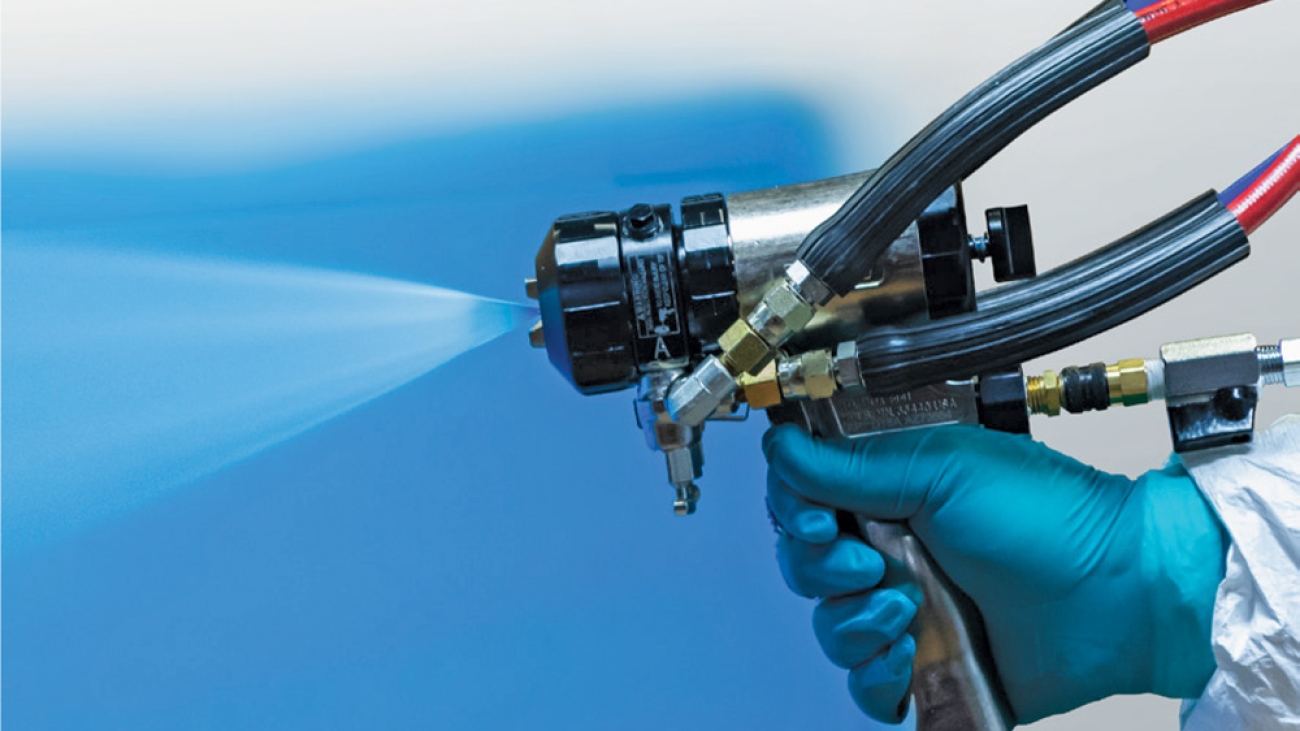
The Difference Between a Spray Foam Machine and a Polyurea Spray Machine

A company that deals with spraying insulation and coating materials must make the correct equipment selections. Understanding the various forms of spray machinery is crucial for performing tasks properly since the equipment or instrument used to complete a task is frequently a deciding factor.

Because they require different amounts of pressure to be applied, coating equipment and spray machines are not equivalent in their capacity to operate with specific materials. Lower-pressure machines are typically solely used to spray foam, but most high-pressure rated equipment could be interchangeable regardless of whether it is used to spray polyurea or foam. Foam application can be done by machines with pressures between 800 and 2000 psi, whereas the optimum material dispersion for coatings requires pressures of at least 1850 to 3500 psi. The caveat in this situation is that lower pressure machines are only appropriate for spray foam because they are not used with lengthy hoses, as those need higher pressure to spread the material adequately.

Air-Driven and Pneumatic Machinery
Although air-driven or pneumatic equipment has been around for more than 60 years, technology has advanced significantly in overall efficacy. These machines’ technology is based on a simple two-component setup: two pumps driven by an air motor that operates within a specific pressure ratio. How much material a machine can disperse in terms of fluid pressure is correlated with its psi rating. The machine can deliver 25 psi of fluid pressure for every pound of applied air pressure if the pressure ratio is 25:1.

Pneumatic systems will evenly disperse the application as long as the host has a large enough diameter to discharge the required material. The fact that this technology has been around for a long time and is quite reliable is not surprising, but a clear disadvantage is that it does not allow for effective pressure monitoring, burdening the operator with the responsibility of checking the foam for proper application and distribution.

Due to its relative simplicity and reduced price, pneumatic equipment is frequently the first choice for newly established enterprises. Yet, when business expands and bigger jobs become necessary, more output machinery becomes necessary.

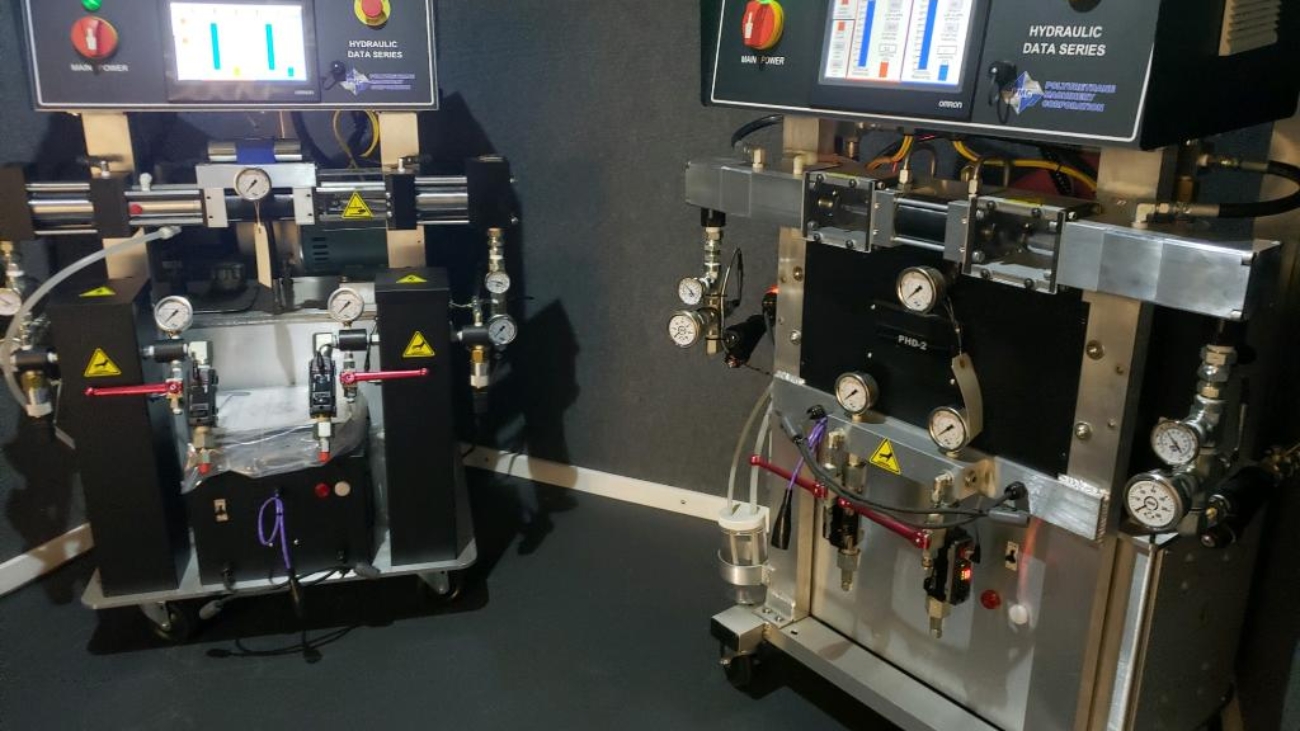
Hydraulic Apparatus
Hydraulic equipment, which was first used to apply polyurea coatings and dual-component foam in the 1970s, operates chemical proportioning pumps using hydraulic power. Some of the systems even have a valve that changes the sprayer’s direction. The machine’s most enticing feature is its quick pump switchover, which causes very little pressure loss as the direction changes.

The hydraulic application enables improved monitoring techniques to ensure that the chemical combination is uniform and proportional during application because the chemicals used in spray foam need to mix before application. If the system detects improper operation or inadequate mixing, it immediately shuts down to stop the distribution of defective products, allowing the operator to address the problem rather than use subpar product.

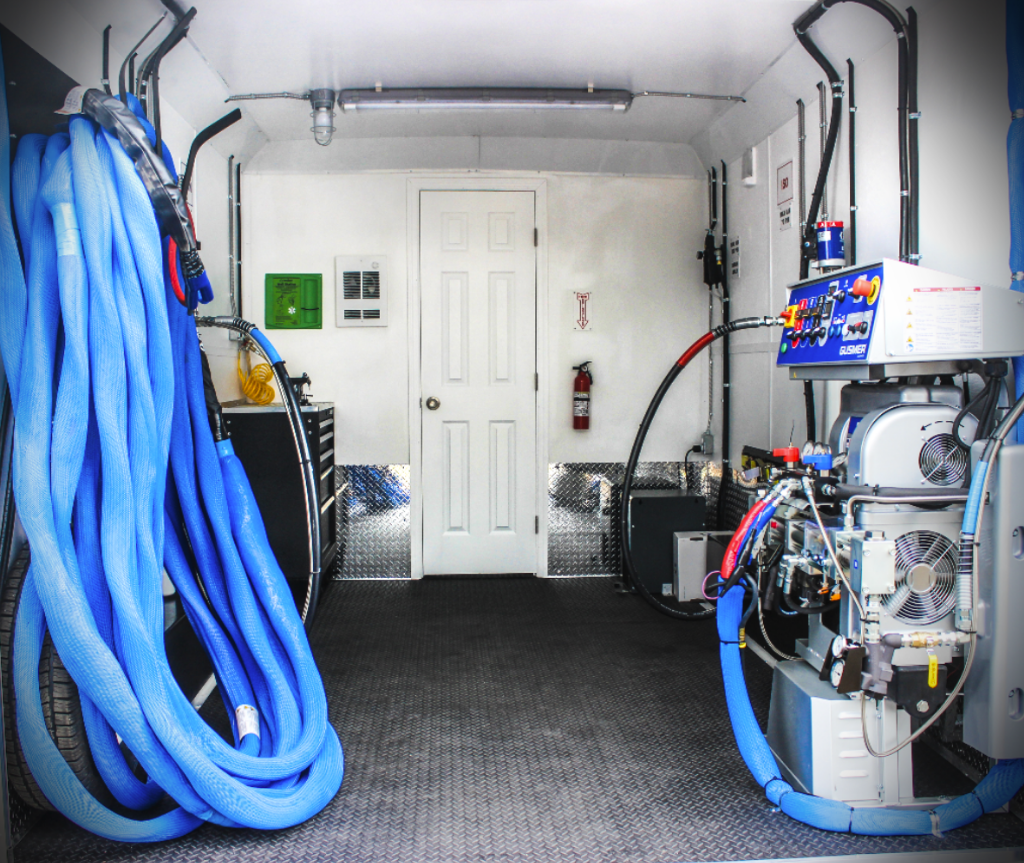
The heating point for polyurea and foam chemicals must be between 100 and 180 degrees Fahrenheit. These higher-quality hydraulic systems ensure that high-quality foam is added by heating the chemicals to the required temperatures and maintaining that temperature with heated hoses.

Using a hydraulic machine to spray foam has been proven to be particularly useful when it comes to large-area applications, such as coating broad rooftops, since it allows for outstanding heat performance and maximum output.

Electric apparatus
Electric spray systems are perfect for contractors looking to buy polyurea equipment because they provide a fantastic performance value when high throughput is needed for coating or spray foam application jobs.

Electric machines have the advantage of maintaining proper stall pressure levels when the equipment is on but not in use, as well as keeping a constant pressure as the spray or coating applicator is triggered.

The two mixing pumps are kept at the same fluid pressure by the motor control technician, who also manages the electrical current flowing through the motor. As the pumps and applicator orifices are comparable, the proportioner must operate at roughly the same pump pressure for a 1:1 chemical ratio to be achieved. In order to prevent the user from spraying faulty foam or coating, modern equipment will quickly shut down if the pump pressures start to drift out of balance and lose sync. An error message will also advise the user of the reason for the shutdown.

Electric appliances’ heating feature is also quite advantageous. Electric spray foam systems require high primary heater temperatures to successfully heat the ingredients to the required heating point. While most contractors rely on hoses to keep the product’s heated temperature constant while it is being sprayed, cooler temperatures might cool down insulated hoses, necessitating their warming before they can actually perform as intended. A lot of time would be lost if the machines had been idle for a long time before the hoses reached the point at which they could maintain the required heat temperatures.

Electric systems are not only dependable, but they may also last a very long time with adequate maintenance. They require investment and additional expenses for upkeep, but they will be less expensive than purchasing a brand-new piece of machinery. Such systems have a history of lasting 15 to 25 years.

Conclusion

The PMC polyurea machine and the Graco polyurea machine are two options to check at if you’re looking for a polyurea spray machine for sale. Think about the Graco or PMC foam machine for spray foam insulation. You may find various solutions here that are appropriate for all different types of jobs whether you’re seeking for new or secondhand polyurea spray equipment for sale.

Contact ArmorThane for more info on purchasing this equipment.