Polyurea is a fast-curing, spray-applied elastomer that forms a seamless, waterproof and extremely tough membrane. Here is how it works, where it shines, and how it compares to other coatings.
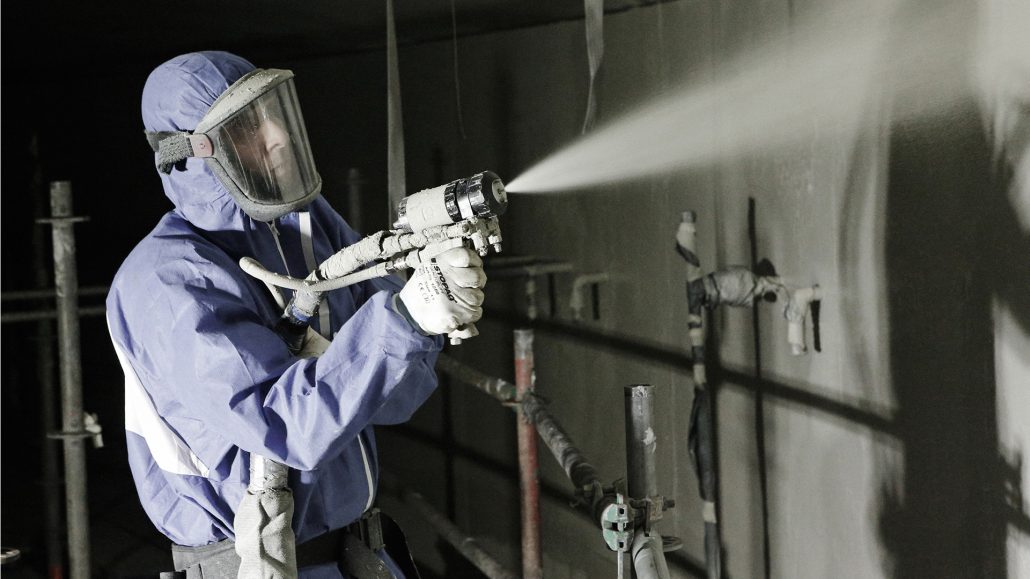
Polyurea forms when two liquid components meet inside a heated, high-pressure spray gun: an isocyanate (the “A side”) and an amine-terminated resin blend (the “B side”). The reaction is extremely fast. Spray polyurea typically gels in seconds, and many systems can take traffic within hours.
What you are left with is a flexible, seamless membrane bonded to concrete, steel, wood, foam and many other surfaces. Most systems are 100% solids with no solvents, so crews can build up the thickness a job needs in multiple passes during a single visit.
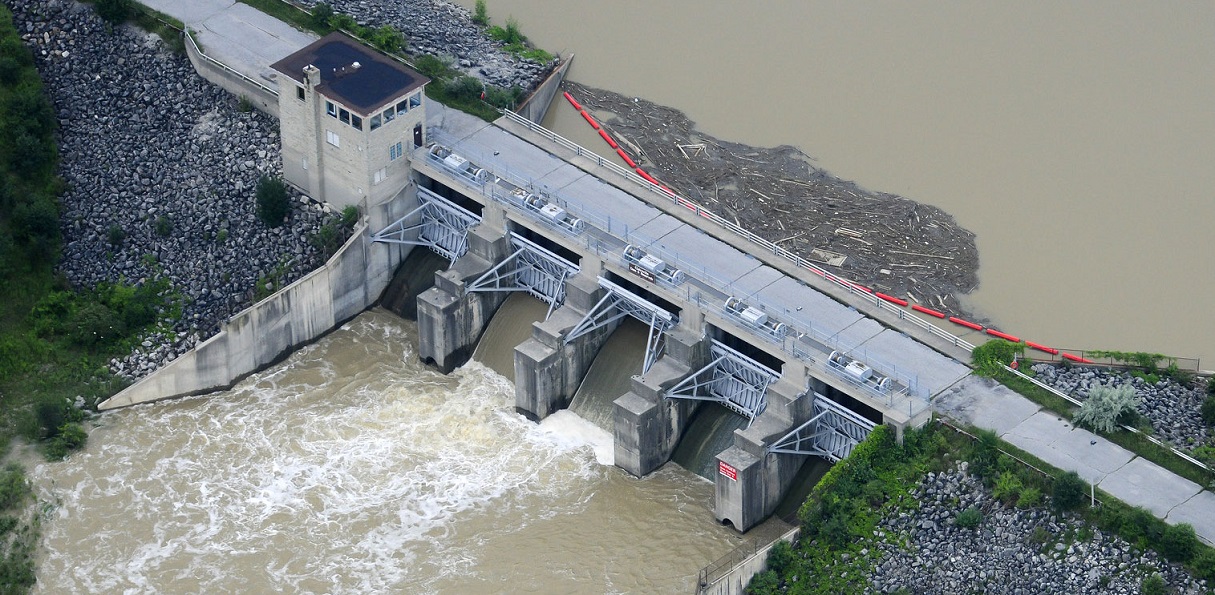
First developed in the 1980s, polyurea is now used across Canada on everything from truck beds and parkades to tanks, manholes, containment areas and flood control structures.
Gels in seconds with short return-to-service times, so facilities lose less downtime.
Sprays on as one continuous, joint-free membrane, even over complex shapes and details.
High elongation lets it bridge hairline cracks and move with the substrate instead of breaking.
Strong resistance to abrasion, impact and many chemicals, from road salt to fuels.
Its cure is far less sensitive to temperature and humidity than most coatings.
Most systems are 100% solids, with little or no solvent content.
Not every product sold as polyurea performs the same. These are the terms worth knowing.
The most common type, with excellent physical properties. It darkens and chalks in sunlight, so outdoor jobs often get a UV-stable topcoat.
Holds its colour and gloss under UV. Used as a topcoat or wherever appearance matters, and usually costs more.
Pure polyurea uses amine-terminated resins only. Hybrids blend in polyurethane chemistry, which changes cure speed, cost and performance. Ask which one you are getting.
Polyurea is only as good as the surface under it. Most failures trace back to prep, not product.
Clean, repair and profile the surface, usually by grinding or blasting, so the coating can bond.
A primer improves adhesion and helps manage moisture and outgassing, especially on concrete.
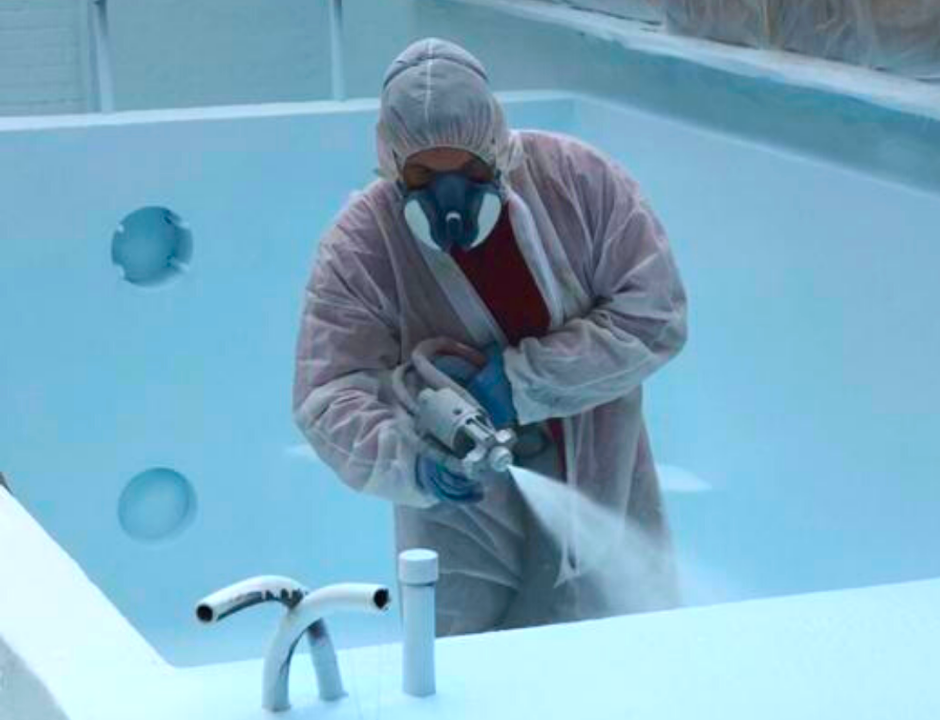
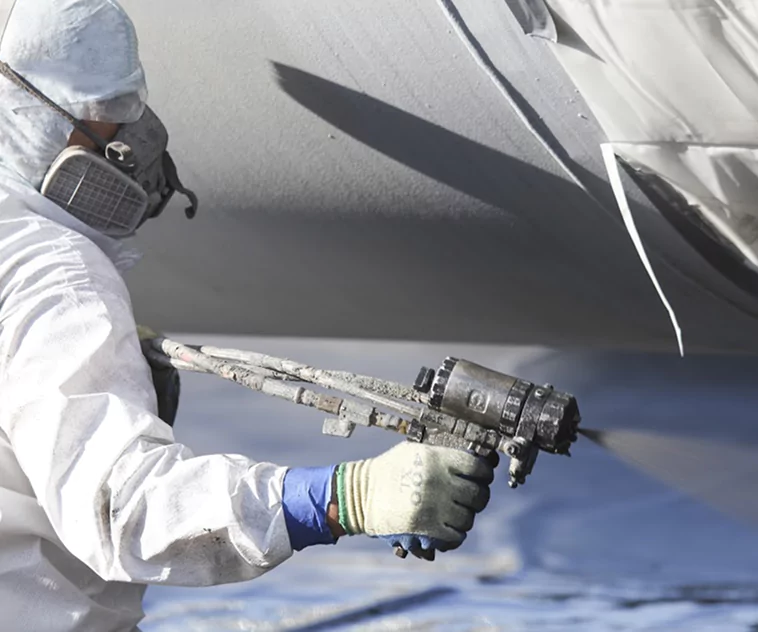
A heated plural-component rig mixes and sprays the material, building thickness in passes.
Thickness checks and, on critical linings, holiday testing. A UV-stable topcoat goes on where needed.
A general comparison. Specific products vary, so always check the data sheet for the system you are considering.
| Polyurea | Epoxy | Polyurethane | Cementitious | |
|---|---|---|---|---|
| Cure speed | Gels in seconds; service in hours | Hours to days | Hours | Days to weeks |
| Flexibility | High elongation, bridges cracks | Rigid; can crack with movement | Flexible | Rigid, little give |
| Sensitivity to cold and moisture while curing | Low | High | Moderate to high | Needs controlled curing |
| UV stability | Aromatic darkens; aliphatic topcoat available | Yellows and chalks | Aliphatic grades are stable | Stable |
| Seams | Seamless membrane | Seamless, but brittle | Seamless | Joints and cracks common |
| How it is applied | Heated plural-component spray rig | Roller, squeegee or spray | Roller or spray | Trowel or spray |
Canadian assets take a beating. Polyurea’s properties line up well with the problems owners deal with here.

No. They are related, but polyurea is made with amine-terminated resins while polyurethane uses polyols. Polyurea reacts much faster and is far less sensitive to moisture while it cures.
It depends on the system, thickness, surface preparation and exposure. Ask your applicator for the expected service life and warranty for your specific project.
Some polyurea systems are certified to NSF/ANSI/CAN 61 for contact with drinking water. If your tank or cistern holds potable water, make sure the exact system carries that certification.
Spray polyurea needs heated, high-pressure plural-component equipment, training and proper respiratory protection, so it is applied by trained professionals.
Often, yes. Primers improve adhesion and help manage moisture and outgassing in concrete. The right primer depends on the surface and conditions.
GuideA comprehensive guide for Canadian coating industries.
Read more
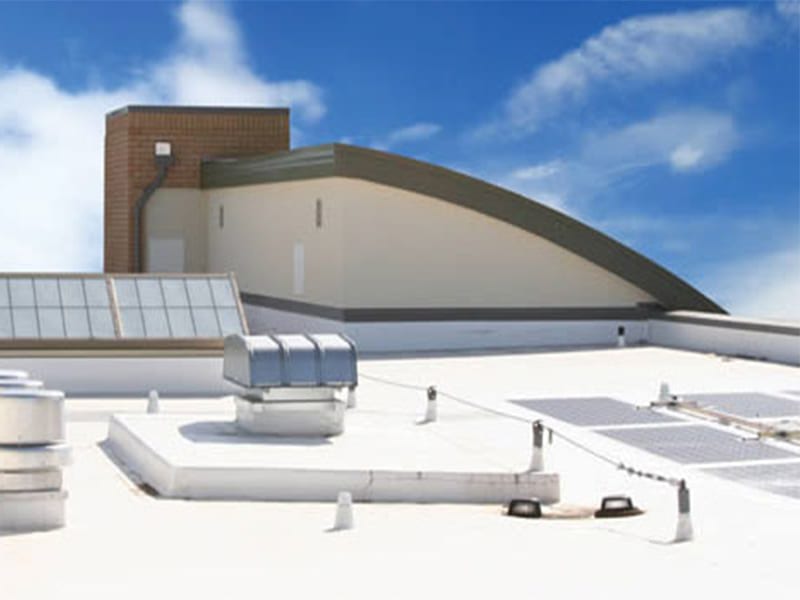
GuideWhy flexible coatings suit Canadian buildings and weather.
Read more
Field tipsTips and considerations for cold-weather application.
Read moreTell us what you need coated and where, and we will connect you with a polyurea applicator.
New guides, project stories and industry news for Canada. Free, and easy to unsubscribe.

Canada’s resource for polyurea coatings: plain-language guides, application stories, and connections to experienced applicators from coast to coast to coast.
Find an Applicator