
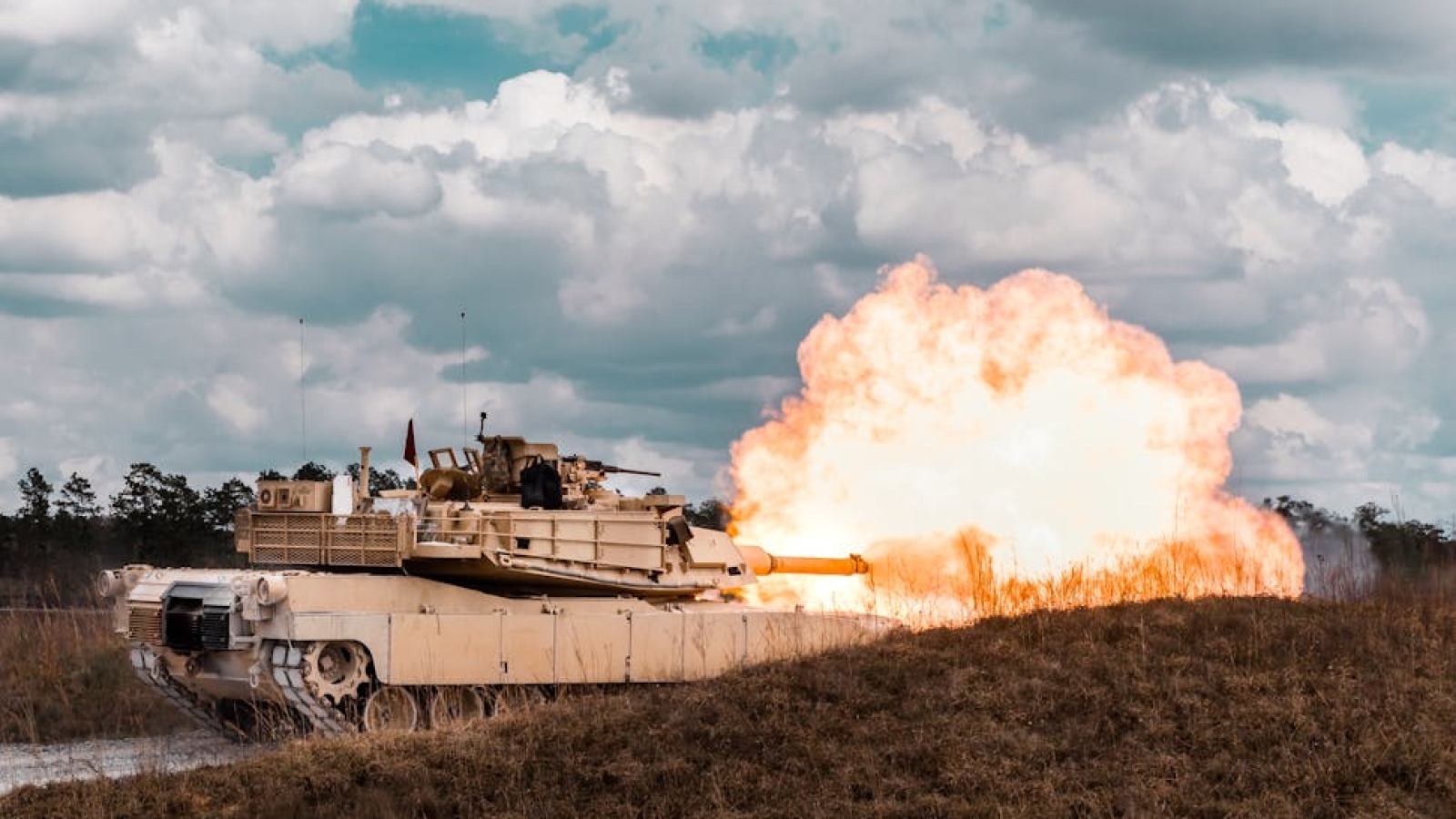
When an explosion tears through a building, the greatest danger rarely comes from the fireball itself. It comes from the shockwave — a wall of compressed air that travels outward at supersonic speed, tearing apart walls, shattering glass, and turning ordinary construction materials into deadly projectiles. For decades, engineers and military planners struggled with one fundamental question: how do you hold a structure together when every physical force is trying to rip it apart?
The answer, increasingly, involves a class of elastomeric coatings that most people outside the defence and industrial sectors have never heard of. Polyurea — and its close cousin, polyurea-over-foam composite systems — has quietly become one of the most effective tools available for foam blast mitigation, and its adoption is accelerating across military, government, and critical infrastructure projects worldwide.
What Exactly Is Foam Blast Mitigation?
Foam blast mitigation refers to the practice of combining rigid or semi-rigid polyurethane foam with a spray-applied polyurea elastomer to create a composite barrier that absorbs, redirects, and dissipates the energy released during an explosive event. The foam component provides a crushable energy-absorption layer, while the polyurea coating forms a tough, flexible membrane that holds fragmented materials in place and prevents secondary fragmentation — arguably the deadliest consequence of any blast.
Think of it this way: the foam acts like a crumple zone in a car, collapsing progressively to absorb kinetic energy, while the polyurea coating functions like a seatbelt, keeping everything contained so that debris does not become airborne shrapnel. Together, these materials dramatically reduce the structural damage and human casualties associated with explosive events.
Why Polyurea Is Uniquely Suited for Blast Protection
Not all coatings are created equal when it comes to withstanding explosive forces. Standard paints, epoxies, and even many industrial-grade coatings lack the physical properties necessary to survive the extreme conditions generated by a blast. Polyurea stands apart for several reasons that make it the preferred choice for blast mitigation coatings in both military and civilian applications.
First, polyurea exhibits extraordinary elongation — often exceeding 300% before failure. During an explosion, structures flex and deform violently. A rigid coating would crack and detach almost immediately, offering no meaningful protection. Polyurea stretches with the underlying structure, maintaining its bond and containment properties even as walls buckle and steel bends under pressure.
Second, polyurea cures incredibly fast. A typical spray application reaches tack-free status within seconds and achieves full mechanical properties within 24 hours. This rapid cure time is not just a convenience — it means that blast mitigation systems can be deployed quickly in theatre-of-operations environments where time is a critical factor and prolonged construction schedules are not feasible.
Third, the tensile strength of quality polyurea formulations often exceeds 3,000 psi, which gives the cured membrane the structural integrity to physically hold fragmented concrete, masonry, and steel in place during and after a detonation. This containment function is what separates polyurea blast mitigation from approaches that merely attempt to reinforce the structure itself.
The Science Behind Polyurea Blast Mitigation Systems
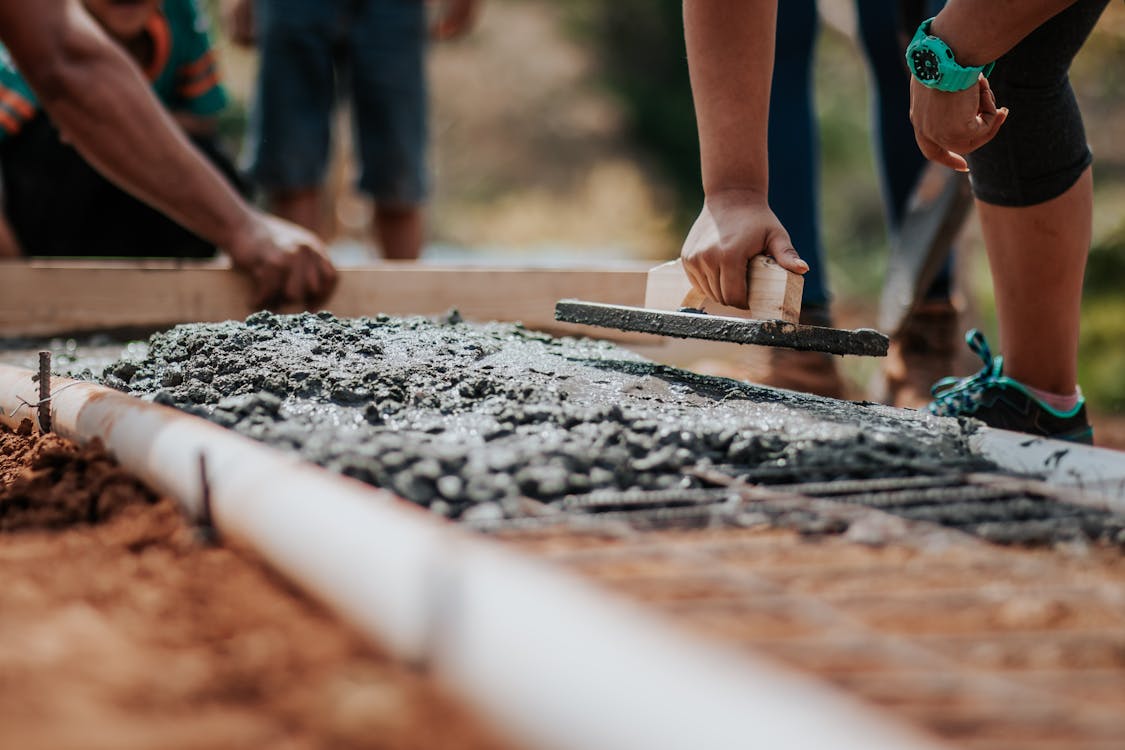
Understanding why polyurea works so well for blast protection requires a brief look at the chemistry and physics involved. When a polyurea coating is spray-applied to a substrate — whether that substrate is concrete, steel, wood, or polyurethane foam — it forms a seamless, monolithic membrane that bonds directly to the surface at a molecular level.
During an explosive event, the blast wave subjects the coated structure to enormous compressive and tensile loads that cycle rapidly. The polyurea membrane responds by deforming elastically, absorbing energy through its viscoelastic properties, and then returning toward its original shape. Meanwhile, if the underlying substrate fractures — as concrete inevitably does under blast loading — the polyurea membrane holds the fragments together, preventing them from becoming high-velocity projectiles.
When polyurethane foam is incorporated behind or beneath the polyurea layer, the system gains an additional energy-absorption mechanism. The closed-cell structure of the foam collapses progressively under the blast load, converting kinetic energy into heat through plastic deformation of the cell walls. This sacrificial crushing behaviour substantially reduces the peak forces transmitted to the structural elements behind the foam layer, giving the building or vehicle a dramatically improved chance of surviving the event with its occupants alive.
Real-World Applications of Polyurea for Blast Mitigation
The use of polyurea for blast mitigation is not theoretical — it has been tested, validated, and deployed in some of the most demanding environments on earth. Here is a look at where these systems are making the greatest impact.
Military Installations and Forward Operating Bases
Military facilities represent the original proving ground for polyurea blast mitigation technology. Concrete barriers, bunkers, and housing units at forward operating bases have been retrofitted with spray-applied polyurea to reduce the lethality of mortar attacks, rocket-propelled grenades, and improvised explosive devices. The coating holds fragmented concrete together after impact, significantly reducing the number of deadly projectiles that enter occupied spaces. NATO testing has confirmed the effectiveness of these systems under controlled blast conditions, and polyurea-coated structures are now standard in many military planning documents.
Government Buildings and Embassies
After several high-profile attacks on government buildings and diplomatic missions around the world, security planners began looking seriously at cost-effective methods to harden existing structures against vehicle-borne improvised explosive devices. Polyurea blast mitigation coatings offered a compelling solution: they could be applied to existing walls, columns, and ceilings without the massive structural modifications that traditional hardening approaches required. In many cases, a polyurea retrofit could be completed in days rather than months, with minimal disruption to building operations.
Critical Infrastructure and Petrochemical Facilities
Oil refineries, chemical processing plants, and natural gas facilities operate with an ever-present risk of accidental explosion. Polyurea coatings are increasingly specified for blast walls, control room hardening, and pipe rack protection at these facilities. The chemical resistance of polyurea provides an added benefit in these environments, as the coating simultaneously protects against both blast forces and the corrosive chemicals that are often present after an industrial incident.
Transportation Infrastructure
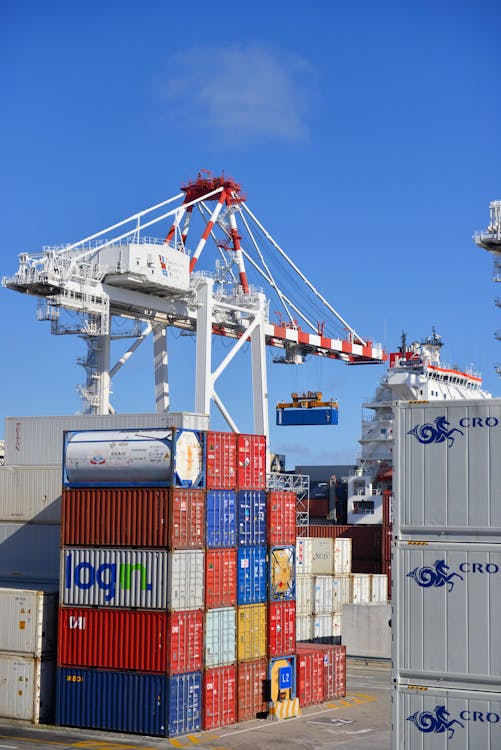
Bridges, tunnels, and transit stations present unique challenges for blast mitigation because they are both structurally complex and heavily used by the public. Polyurea-over-foam systems have been evaluated for use in tunnel linings and bridge column protection, where the lightweight nature of the system is a significant advantage. Unlike concrete or steel reinforcement, polyurea adds minimal dead load to the structure while providing meaningful blast resistance and fragment containment.
Foam Blast Mitigation vs. Traditional Hardening Methods
For years, the standard approach to blast protection involved adding mass — thicker concrete walls, heavier steel reinforcement, deeper foundations. While effective in many scenarios, traditional hardening methods come with significant trade-offs that make them impractical for many real-world applications.
Foam blast mitigation systems offer a fundamentally different approach. Rather than trying to resist the blast through sheer mass, they work by absorbing and redirecting energy while containing fragments. This approach is lighter, faster to install, and often far more cost-effective than traditional hardening. A polyurea-over-foam system can be applied to existing structures as a retrofit, whereas traditional hardening often requires demolishing and rebuilding entire sections of a building.
The weight savings alone can be decisive. In vehicle applications, adding inches of steel armour creates severe mobility penalties that compromise the vehicle’s ability to perform its intended mission. A polyurea-over-foam composite achieves comparable fragment containment at a fraction of the weight, preserving vehicle performance while dramatically improving crew survivability.
How Polyurea Blast Mitigation Coatings Are Applied
The application process for blast mitigation polyurea is more demanding than standard protective coating work, and it requires both specialized equipment and trained applicators who understand the unique requirements of blast-rated systems.
Surface preparation is the foundation of any successful polyurea application, and this is doubly true for blast mitigation work where coating adhesion is literally a life-or-death consideration. Concrete surfaces are typically abrasive-blasted or mechanically profiled to achieve the required anchor pattern, while steel surfaces are prepared to near-white metal standards. Any contamination, moisture, or surface defect that compromises adhesion could create a failure point where the coating peels away during a blast event, defeating the entire purpose of the system.
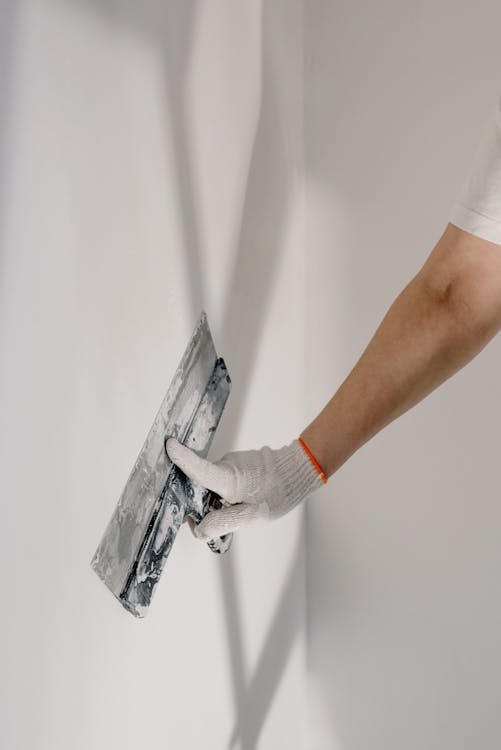
The polyurea itself is applied using heated plural-component spray equipment that mixes the isocyanate and resin components at the spray gun. Material temperatures, pressures, and spray technique all must fall within tight tolerances to achieve the mechanical properties specified for blast mitigation performance. Coating thickness is carefully controlled and verified, typically ranging from 3mm to 12mm depending on the threat level and substrate type. In systems that incorporate polyurethane foam, the foam is usually applied first to the substrate, allowed to cure, and then overcoated with the polyurea membrane.
Choosing the Right Polyurea System for Blast Protection
Not every polyurea product on the market is suitable for blast mitigation applications. The formulation matters enormously, and the difference between a general-purpose polyurea coating and one engineered specifically for blast protection can be the difference between a system that saves lives and one that fails catastrophically when tested.
When evaluating polyurea systems for blast mitigation, several key performance criteria should guide the selection process. Tensile strength should exceed 2,500 psi at a minimum, with many blast-rated formulations achieving well above 3,000 psi. Elongation at break should be in the range of 300% to 450%, providing enough flexibility to accommodate the extreme deformations that occur during blast loading without membrane failure. Tear resistance is equally critical, as the coating must withstand puncture and laceration from flying debris and fragmented structural materials.
Adhesion strength to the substrate is perhaps the single most important factor. If the polyurea delaminates from the wall during a blast, it provides zero protection regardless of how strong the membrane itself might be. Adhesion values for blast-rated systems typically need to exceed 800 psi on properly prepared concrete and 1,200 psi on steel surfaces. These are substantially higher than the adhesion requirements for standard waterproofing or corrosion protection applications.
The Canadian Perspective on Blast Mitigation Coatings
Canada’s geography, climate, and infrastructure landscape create unique considerations for blast mitigation projects. The extreme cold temperatures experienced across much of the country during winter months present particular challenges for both application and long-term performance of polyurea blast mitigation systems.
Quality polyurea formulations maintain their mechanical properties across a wide temperature range, typically from -40°C to well above 100°C. This thermal stability is essential for Canadian applications where blast mitigation coatings on exterior structures may experience temperature swings of 60°C or more over the course of a year. Materials that become brittle in cold weather would lose their fragment containment capability precisely when many Canadian facilities are at their most vulnerable — during the long winter months when structural monitoring and maintenance activities are reduced.
Canadian federal buildings, military installations, and critical energy infrastructure all fall under security requirements that increasingly recognize the value of polyurea blast mitigation technology. The country’s extensive oil and gas sector, concentrated in Alberta and the offshore Atlantic regions, represents a particularly significant market for blast-rated polyurea systems, where the dual benefits of blast protection and chemical resistance align perfectly with operational requirements.
Testing and Certification of Blast Mitigation Systems
Legitimate blast mitigation claims must be backed by rigorous testing, and building owners, military planners, and facility managers should demand evidence of performance before specifying any system for blast protection. The testing protocols for blast mitigation coatings typically involve full-scale or large-scale explosive testing conducted at certified facilities under controlled conditions.
These tests measure the system’s ability to contain fragments, reduce wall displacement, and maintain structural integrity at specified standoff distances and charge weights. Results are compared against established threat criteria to determine the level of protection provided. In North America, several independent testing facilities have the capability to conduct these evaluations, and results are typically documented in detailed reports that specify the exact system configuration, substrate preparation, coating thickness, and threat level tested.
Prospective customers should be cautious of manufacturers that make blast mitigation claims based solely on laboratory testing of material properties. While tensile strength, elongation, and adhesion data are important screening criteria, they do not by themselves demonstrate blast mitigation performance. Only full-system testing under realistic blast conditions can validate that a polyurea blast mitigation coating will perform as claimed when it matters most.
Cost Considerations for Polyurea Blast Mitigation
Blast mitigation is not inexpensive, regardless of the approach chosen. However, polyurea-based systems generally offer compelling cost advantages when compared to traditional structural hardening methods, particularly for retrofit applications on existing buildings and infrastructure.
The installed cost of a polyurea blast mitigation system depends on several factors: the substrate condition and preparation requirements, the specified coating thickness, the complexity of the geometry being coated, accessibility constraints, and the specific product formulation selected. For most projects, the polyurea system cost represents a fraction of what would be required for equivalent protection through structural steel reinforcement or additional concrete construction.
Beyond the direct material and labour costs, polyurea blast mitigation systems offer significant indirect cost savings. The rapid cure time minimizes project duration and associated disruption costs. The lightweight nature of the system avoids the foundation upgrades that heavy structural modifications would require. And the multi-functional properties of polyurea — including waterproofing, chemical resistance, and abrasion protection — mean that a single coating system can address multiple facility needs simultaneously, avoiding the cost of separate solutions for each requirement.
The Future of Foam Blast Mitigation Technology
Research into polyurea blast mitigation is advancing rapidly, driven by ongoing threats to civilian infrastructure and military assets worldwide. Current areas of development include graded-density foam systems that optimize energy absorption across a wider range of blast intensities, nano-reinforced polyurea formulations that push tensile strength and tear resistance to new levels, and hybrid systems that combine polyurea with advanced fibre reinforcement to create lightweight panels that can be rapidly deployed in field conditions.
The academic literature on polyurea blast mitigation has expanded significantly in recent years, with researchers at universities and defence laboratories around the world publishing findings that continue to deepen our understanding of how these materials behave under extreme dynamic loading conditions. This growing body of knowledge is driving continuous improvement in formulation chemistry, application techniques, and system design that will make polyurea blast mitigation systems even more effective and accessible in the years ahead.
For building owners, facility managers, military planners, and security professionals looking to protect structures and people from explosive threats, polyurea blast mitigation represents a proven, practical, and increasingly refined solution. The technology has moved well beyond the experimental stage — it is field-tested, combat-proven, and backed by a growing body of scientific evidence that confirms its effectiveness. As threats evolve and security requirements expand, foam blast mitigation systems built on polyurea technology will continue to play a central role in protecting the structures and people that matter most.